Best Time to See Yosemite’s Waterfalls
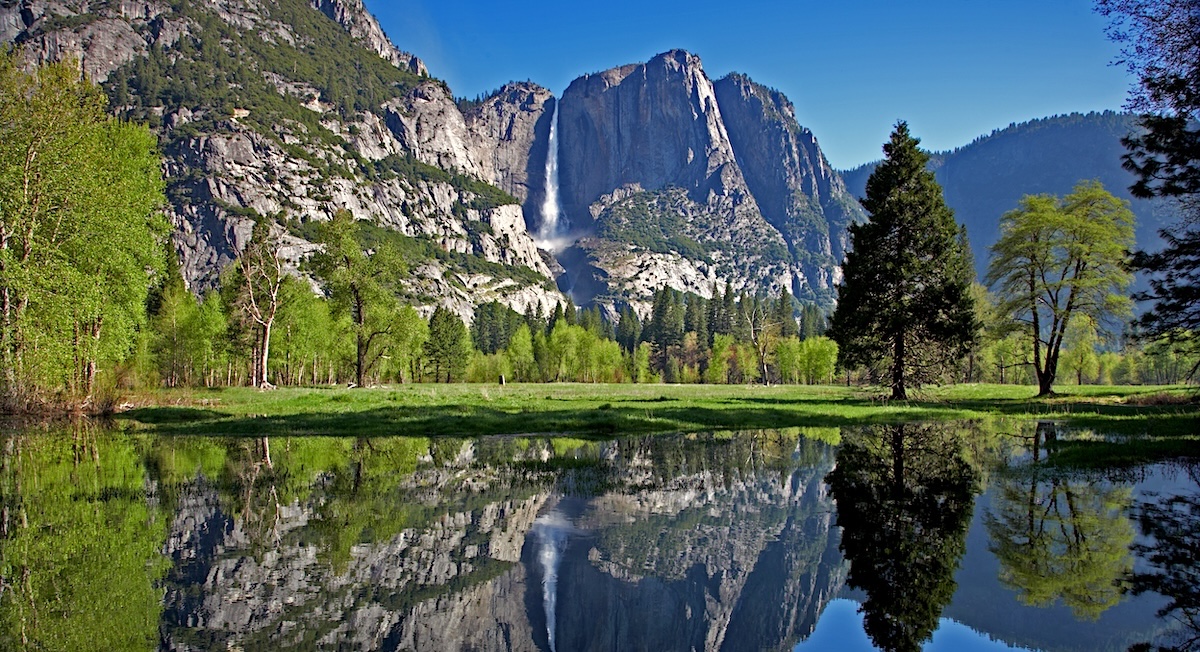
If waterfalls are high on your Yosemite wish list, timing matters more than almost anything else. The short answer is simple. Plan your visit for May or June.
This is when Yosemite’s waterfalls are at their peak. Winter snow in the Sierra Nevada melts as temperatures rise, bringing higher river flows and more dramatic waterfalls. Those classic views of the park’s signature falls, Yosemite Falls, Vernal Fall, and Nevada Fall, are best seen this time of year.
April is often too early
April can be a shoulder month. Waterfall flow begins to increase, but higher-elevation areas may still be frozen or just starting to melt out. Some roads and sections of the park may also be closed, which can limit where you can go.
And August too late
By mid to late summer, the experience changes. July and August bring access to places like Glacier Point, Tioga Pass, and Tuolumne Meadows. We’ve visited during that window many times. The tradeoff is lower river levels. Many of Yosemite’s seasonal waterfalls slow to a trickle or stop flowing altogether by August.
Unless you are there to see the firefall
There is one exception to this timing tip worth noting. Horsetail Fall puts on its famous firefall show in mid to late February, when the setting sun lights up the thin ribbon of water. It is stunning, but brief and weather dependent. When clouds block the sun, there is no firefall effect at sunset.
Bonus tip
And if you have time to wander beyond the Valley, consider a side trip to the Hetch Hetchy area of the park. From the parking area by the dam, Wapama Falls is a moderately easy 5-mile out-and-back hike to one of the park’s most stunning yet lesser-known waterfalls. Pro tip: bring a raincoat for when you reach Wapama Falls, even on a perfectly sunny day.
If your goal is to see powerful waterfalls, choose May or June. Fewer roads may be open, but the payoff is worth it.